Cleveland Browns : The Art Of Game Day
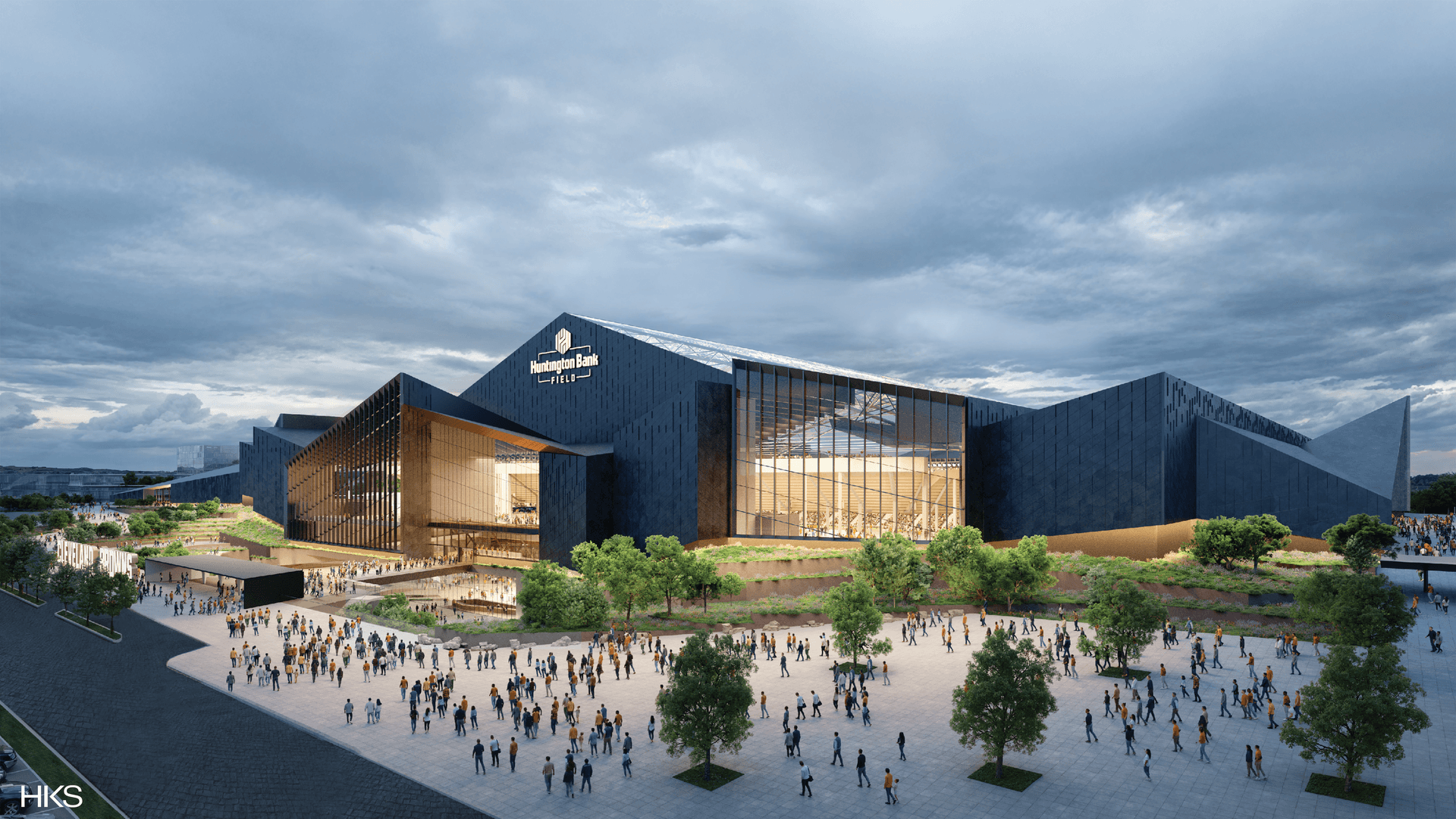
By the time Derek Halbasch arrives at Huntington Bank Field on a home game Sunday, most of Cleveland is still asleep. He is typically through the doors by 3:30 or 4:00 in the morning, long before the first gates open, and long before the 65,000 fans who will later fill those seats have given a second's thought to how everything they experience was organized, rehearsed and made ready. That invisibility, he suggests, is the whole point.
Halbasch is the Director of Stadium Operations for the Cleveland Browns, a role he has held since joining the organization in 2024. Before that, he spent several years managing event staffing operations at the stadium through Landmark Event Staffing and later Allied Universal, having relocated to Cleveland in 2021. Before any of that, he was an infantryman (11 Bravo, US Army) with three combat tours overseas, twelve years of service, two deployments to Iraq and one to Afghanistan.
It is, by any measure, an unusual pathway to stadium operations. But speaking from inside the building he now runs, Halbasch does not describe the transition as a leap so much as a series of deliberate steps that, in retrospect, each led naturally to the next.
"Those things will be exciting for the community because they've never hosted them before," Halbasch says. "It's going to make this the crown jewel of the Northeast region."
FROM THE INFANTRY TO THE OPERATIONS CHAIR
When Halbasch made the decision to leave the Army in his early thirties, his last duty station was at Hattiesburg, Mississippi, home of the University of Southern Mississippi and, as it turned out, the NCS4: the National Center for Spectator Sports Safety and Security. A professor pointed him in that direction and the fit was immediate. He enrolled in the MBA program with a specialization in sports security, took an internship with Landmark Event Staffing in California, and found himself, as he puts it, falling into a vertical that would define the next decade of his professional life.
"You kind of fall into it," he says, without any apparent regret. "I definitely fell into it." Landmark had long held the contract for event-day staffing and security with the New Orleans Saints, and Halbasch, already based in Mississippi, found himself working NFL events for the first time. By 2021, the company had won the Browns' staffing contract and offered him the chance to open and run the Cleveland branch. He took it without hesitation.
The transition from military to civilian life, he acknowledges, was not without friction. Moving from infantry to the business world meant adjusting instincts built for a very different environment. "We can be a bunch of knuckleheads sometimes," he says with a laugh, reflecting on the culture gap. "But I think now, probably ten years later, I'm more appreciative of that side of my life. When you're in it, you don't really think how deep you're in it."
LEADERSHIP AS A TRANSFERABLE SCIENCE
Ask Halbasch what the Army gave him that he still uses every day and his answer is almost instant: patience, directness, and an understanding that no two people can be led in quite the same way.
"I can't lead one manager the same way I lead another," he explains. "My military background prepped me for dealing with different personalities.
I can work with anybody." As a drill instructor, a role he describes as one of the most rewarding of his service, he learned that volume was rarely the most effective tool. "I wasn't going to yell the entire time. Soldiers tune you out when you just yell at them constantly. You had to find that right balance."
That balance informed something more fundamental: the understanding that your job is ultimately to prepare the people below you to replace you. "I know that one day I'm going to be replaced, I'm very well aware of that fact. That's okay. But if I continue to train my managers and my coordinators to replace me, I am preparing the organization to be in good hands for the future. That's the mindset you've got to have — you are training your replacement." It is a philosophy, he argues, that leads to healthier organizations at every level.
THE ANATOMY OF A GAME DAY
At Huntington Bank Field, a home game Sunday at 1:00 pm is less a single event than a rolling logistical operation that begins before dawn and does not conclude until well into the evening. Halbasch typically starts with ninety minutes of personal time, a workout in the on-site gym, before beginning his rounds. By 6:00 or 6:30am he is checking gates, walking the field, moving through the back-house concourse, and coordinating with stadium security director Omar Jufko on parking, road closures and crowd management.
"I always joke: let's just open the gates, let's go right now," he says. "Mentally, I'm always ready." By 11:00am, when the gates open to the public, every post is staffed, every briefing has been delivered, and every department (Allied Universal managing gate security, Apex handling conduct and ejections, Guest Services managing the fan experience) has been aligned and reminded of expectations. From that point, communication switches to Titan HST, a secure mass-messaging platform used to coordinate across departments in real time.
More for you

Success, by his definition, is calibrated across several measures: fan feedback gathered through Voice of the Fan surveys, gate throughput, staffing levels across all partners, and the quality of synergy between departments that might otherwise operate in silos. Every Monday morning after a game, his team gathers for a post-recap to cover the good, the bad, and the areas for improvement.
"I like to obsess over the little things," he says. "If we've obsessed over the little things, it means we've already paid attention to the big things. It's all going to come out the way we want it." The philosophy has a useful corollary: if the biggest concern by kickoff is the score on the field, everything else has already gone to plan.
BEYOND FOOTBALL: MANAGING THE FULL CALENDAR
A stadium that seats over 67,000 is not idle between NFL Sundays. Halbasch oversees operations for a year-round calendar that includes concerts, soccer internationals, and large-scale dirt events like Monster Jam and the Monster Energy AMA Supercross Championship, the latter carrying personal significance for a man who grew up in a California racing family.
"Supercross was kind of the one I really wanted to check off," he admits. "I'm glad we got it here." The logistics involved are not trivial: approximately 100 tons of locally-sourced dirt is brought in for the event, remaining in the building for roughly two weeks to accommodate both Monster Jam and Supercross on the same load. The key, he says, is communication, working closely with promoters like Feld Entertainment and United Events to ensure the building's infrastructure (flooring, field irrigation hookups, access routes) is protected throughout.
The same principle applies to concerts. Because Live Nation and AEG operate across a different venue every week, many of their touring teams already understand the building's layout and operational rhythms. "The biggest thing with them is just getting the flooring in, allocating rooms, and making sure they're taken care of on site," he says. A recent Zach Bryan show drew over 62,000, among the largest concert attendances the venue has seen.
THE NEW STADIUM: A CHAPTER CHANGE
Ground has been broken on the Browns' new enclosed stadium in Brook Park, with a target opening date of 2029. At approximately 67,500 seats and built to accommodate a fully enclosed environment, it will represent a significant operational change from the lakefront stadium the organization has called home for decades.
Halbasch is already thinking about it. His team has begun clearing storage rooms of equipment unlikely to make the transition, a three-year process of quietly editing out what no longer serves the future of the organization. More substantively, he and his operations team are working through how crowd flow, security perimeters, ticket-taking infrastructure and team logistics will need to be rethought in an entirely new environment.
"There are going to be growing pains [for staff]," he acknowledges. "Getting from parking to your sign-in area is going to be a new experience. But there's going to be better break rooms, more amenities for the game-day staff. Those things matter." The enclosed environment also eliminates one of the more unpredictable variables of running winter games in northeast Ohio: weather. Having worked previously at the Caesars Superdome in New Orleans, Halbasch knows the operational difference. "I can't underestimate how comfortable it was in the dome in the middle of January. It's going to be nice not to freeze our butts off."
The new building also opens the door to events that simply are not possible in the current facility. Halbasch mentions WrestleMania and a NCAA Final Four among the marquee events he hopes the venue will attract. The Browns hosted WWE SummerSlam approximately two years ago, an experience he describes as a genuine success, and a WrestleMania, the sport's equivalent of the Super Bowl, could be a natural next step.
"Those things will be exciting for the community because they've never hosted them before," he says. "It's going to make this the crown jewel of the Northeast region."
ROOTED IN CLEVELAND
There is something telling in the way Halbasch speaks about Cleveland itself. A California native who spent much of his adult life moving between Army postings in Germany, Georgia and Mississippi, he arrived in the city without roots and found, apparently to his own slight surprise, that it felt like home.
"My wife won't even talk about moving anywhere else," he says. "I think that speaks to the community, to what we're doing here, to the people we've come in contact with." The city, and the stadium, have become the place where a decade of professional reinvention has landed — where twelve years of military service, an MBA in sports security, a stint as the oldest intern Landmark ever hired, and the unglamorous work of staffing a stadium through post-pandemic shortages have all coalesced into something that, by any honest reckoning, looks like a career well-built.
"It was a weird kind of journey to get to this point," he says. "Ten years ago, I was starting my MBA and trying to figure out how to get on this side. And now, ten years later, here I am, sitting in this chair, taking care of people and guiding events."
A challenge, he adds, with the slight pause of someone who has said it often enough to know it is true, is always a little bit fun.
Growth

Timber Pizza : From Food Trucks To Franchising Innovation
Chris Brady and Luke Watson talk about Timber's journey so far and their goals for regional growth.
CARIB Brewery at 75
Adrian Sabga talks about the company's incredible ambitions for even more growth

Learning Express : A Family Run Toy Empire
Lauren Derse tells us about how the Derse family built Learning Express

Montway Auto Group : Driving Distinction in Automobile Logistics
Senior leaders talk about Montway's striking 86% Year-On-Year revenew growth
Leadership
Vital Records Control : Bleeding Green
Falcon Plastics at 50 : Integrity & Innovation
President Jenn Barlund talks about the company's 5 decade history.
Standard Chartered Bank LATAM : Driving Growth & Inclusion
Germana Cruz, SCB's CEO and Head of Financial Institutions for LATAM, talks about her unique approach to developing talent.
CARIB Brewery at 75
Adrian Sabga talks about the company's incredible ambitions for even more growth
Industry
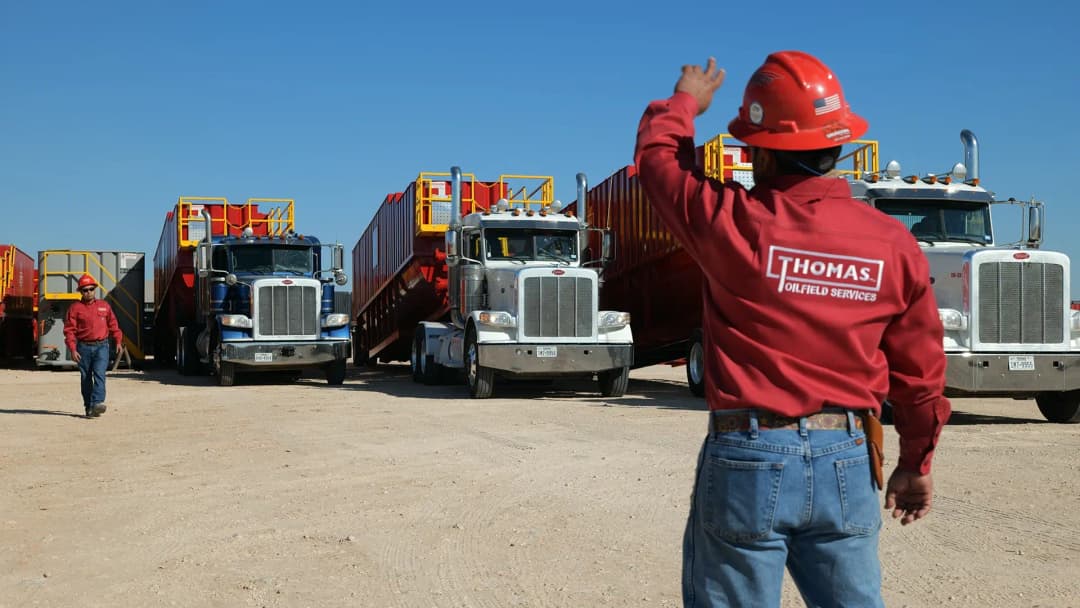
Thomas Supply & Distribution: Fueling a Tech-Driven Future in Oilfield Procurement
Edward Esqueda, Director of Supply Chain, talks about this new initiative from Thomas Oilfield Services

Southbend : Leading With Purpose, Innovation & A People-First Philosophy
VP of Sales & Marketing Bryant Woolcock tells us about Southbend do things differently

GA Telesis : Sleepless By Design
How Abdol Moabery Turned Vision into Innovation—and Built a Billion-Dollar Aviation Empire

CARRCO Painting : 30 Years Of Crafting Excellence
Opinion

Harley Davidson
Freedom for the Soul: A Life-Changing Route 66 Journey on a Harley-Davidson
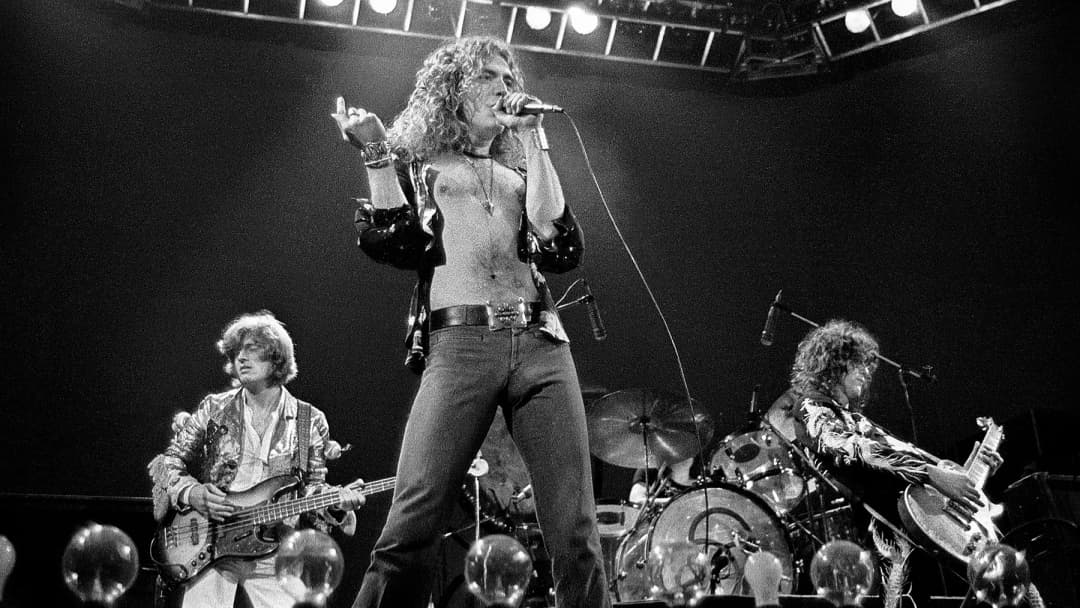
Boardroom Rockstars
Bold business lessons from the 70s rock scene—risk, branding, and game-changing deals
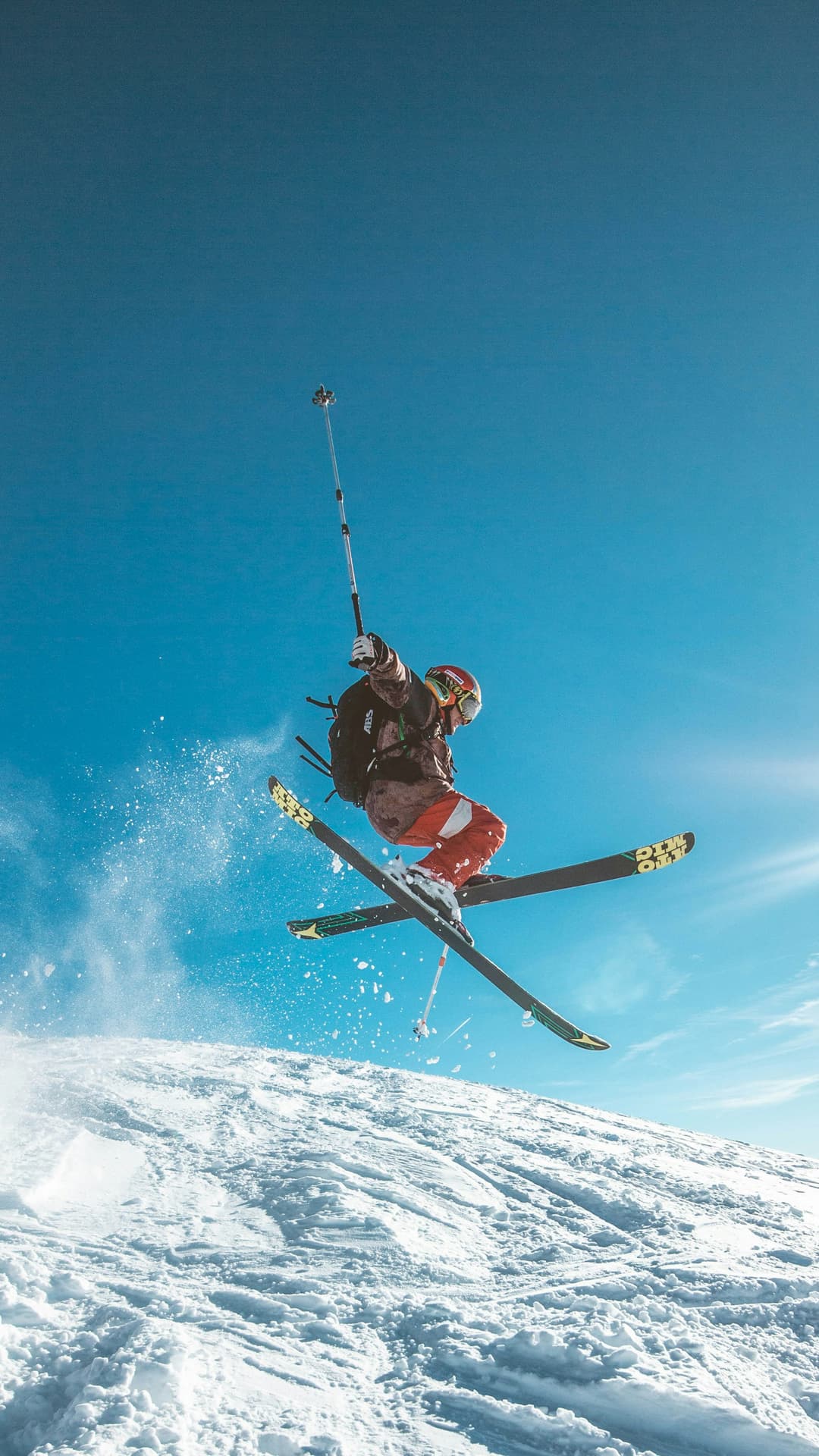
Powder and Prestige
Our choice of the top 10 ski resorts
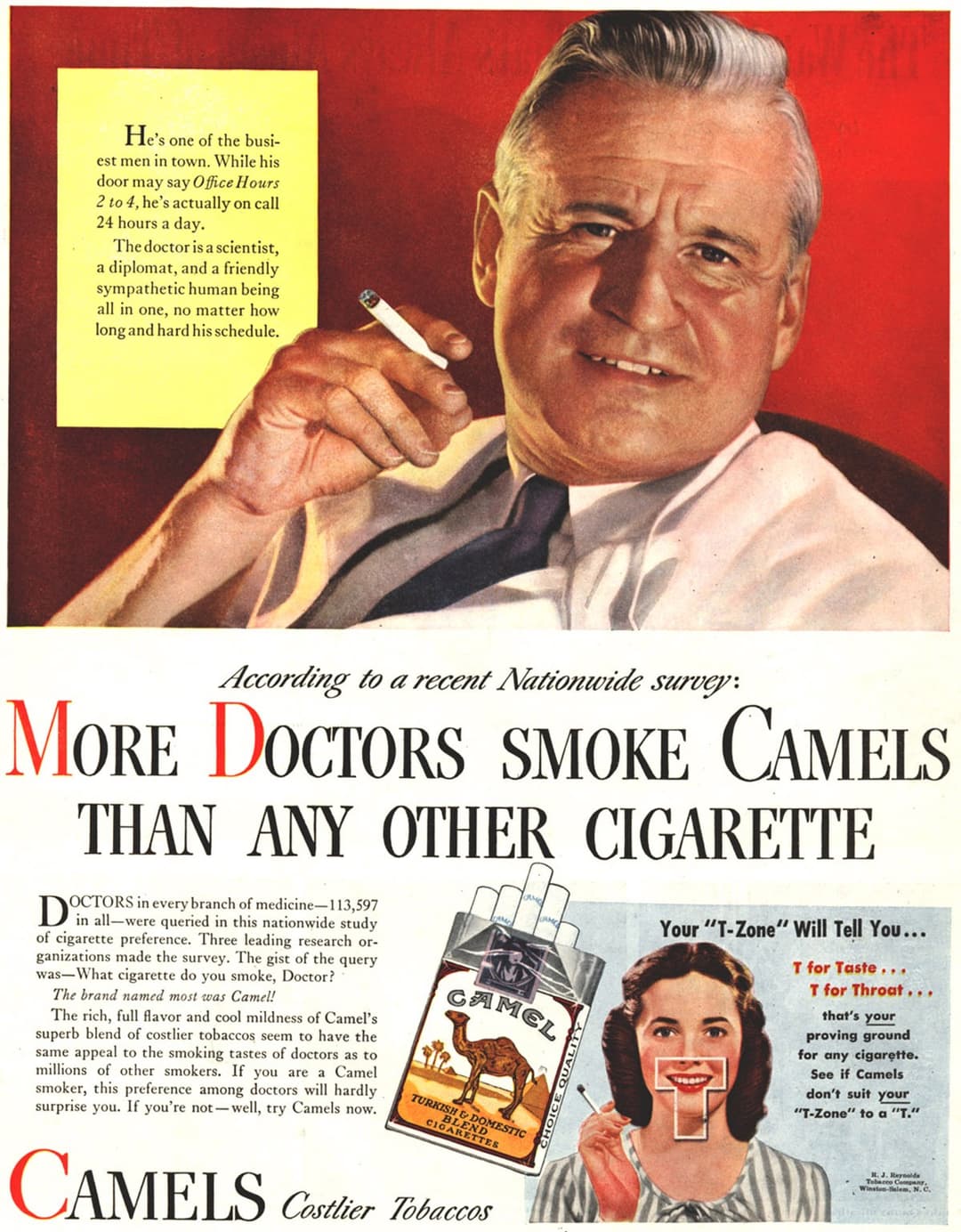
Retro Ads : My Doctor Said What?
When Doctors Sold Cigarettes: A Cautionary Tale of Trust, Ethics, and Advertising