Murphy Concrete & Construction : 100 Years Later
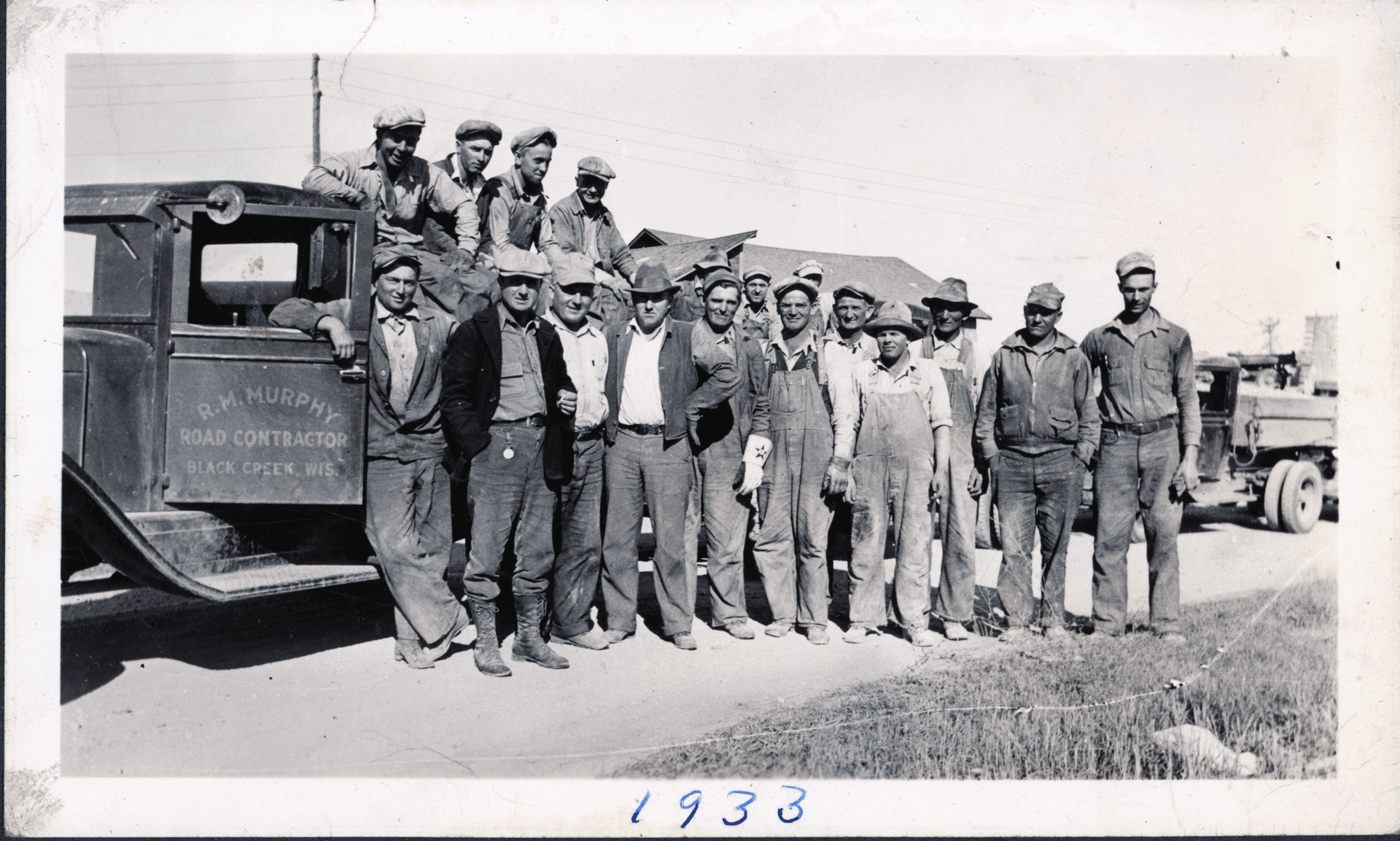
In 1926, Robert and Mary Murphy started a construction company in the backyard of their home in Oneida, Wisconsin. What began as a modest family operation would grow across three generations into an enterprise of nearly 400 employees, spanning aggregate production, asphalt, ready-mix concrete, excavation, and trucking. As the longest-tenured redi-mix concrete company in northeast Wisconsin, MCC, Inc. has outlasted the vast majority of businesses in one of the most unforgiving industries in American commerce. In 2026, it turns 100.
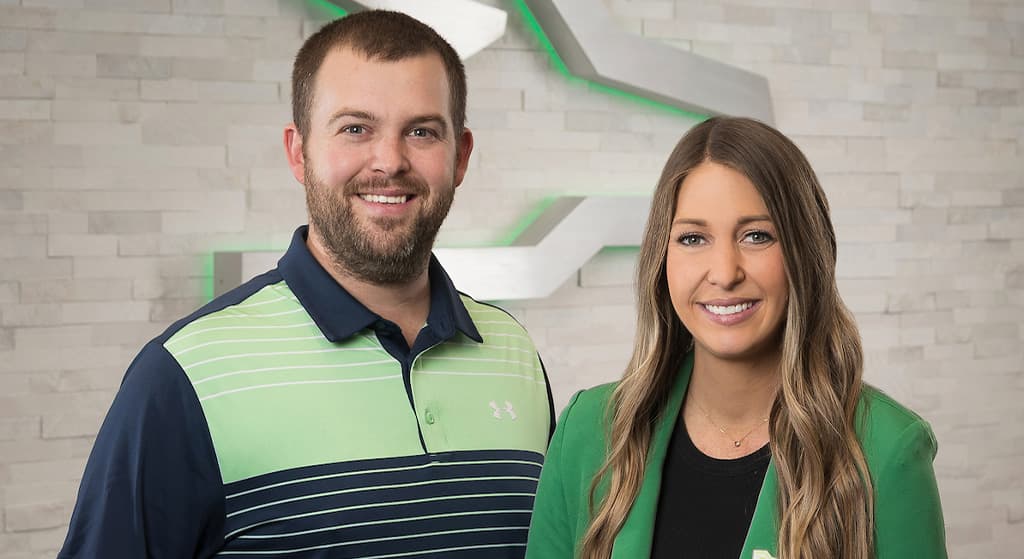
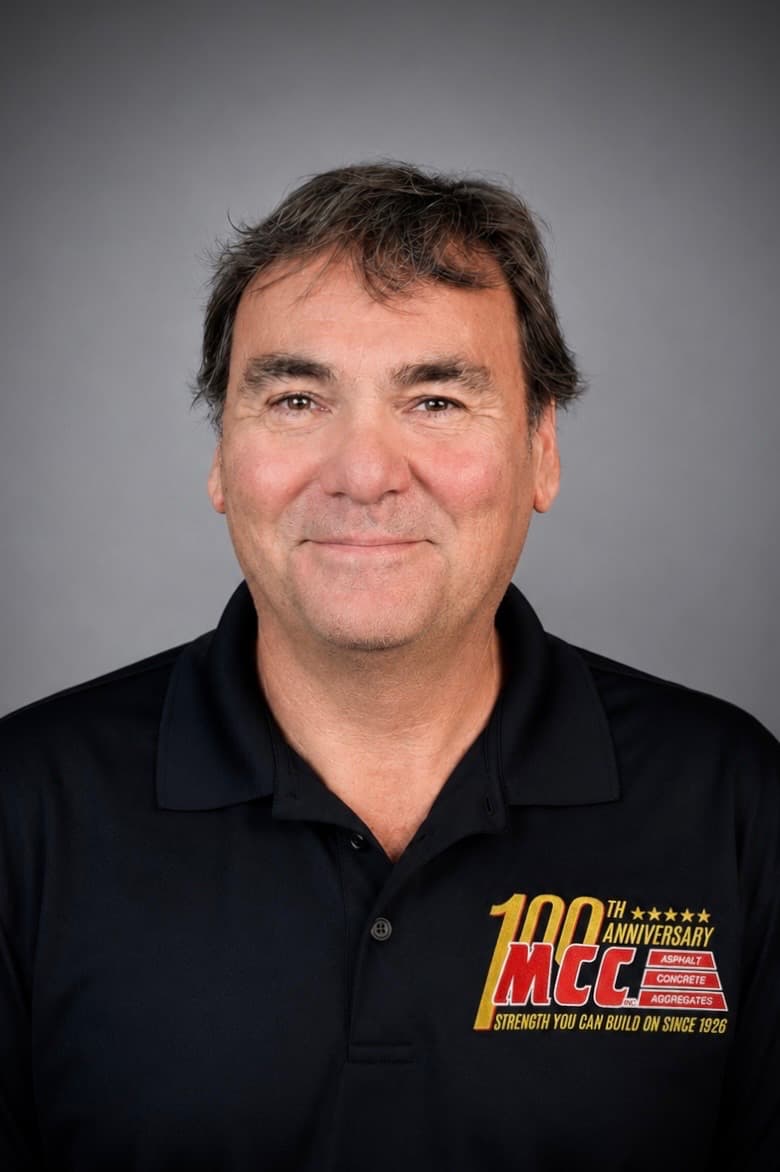
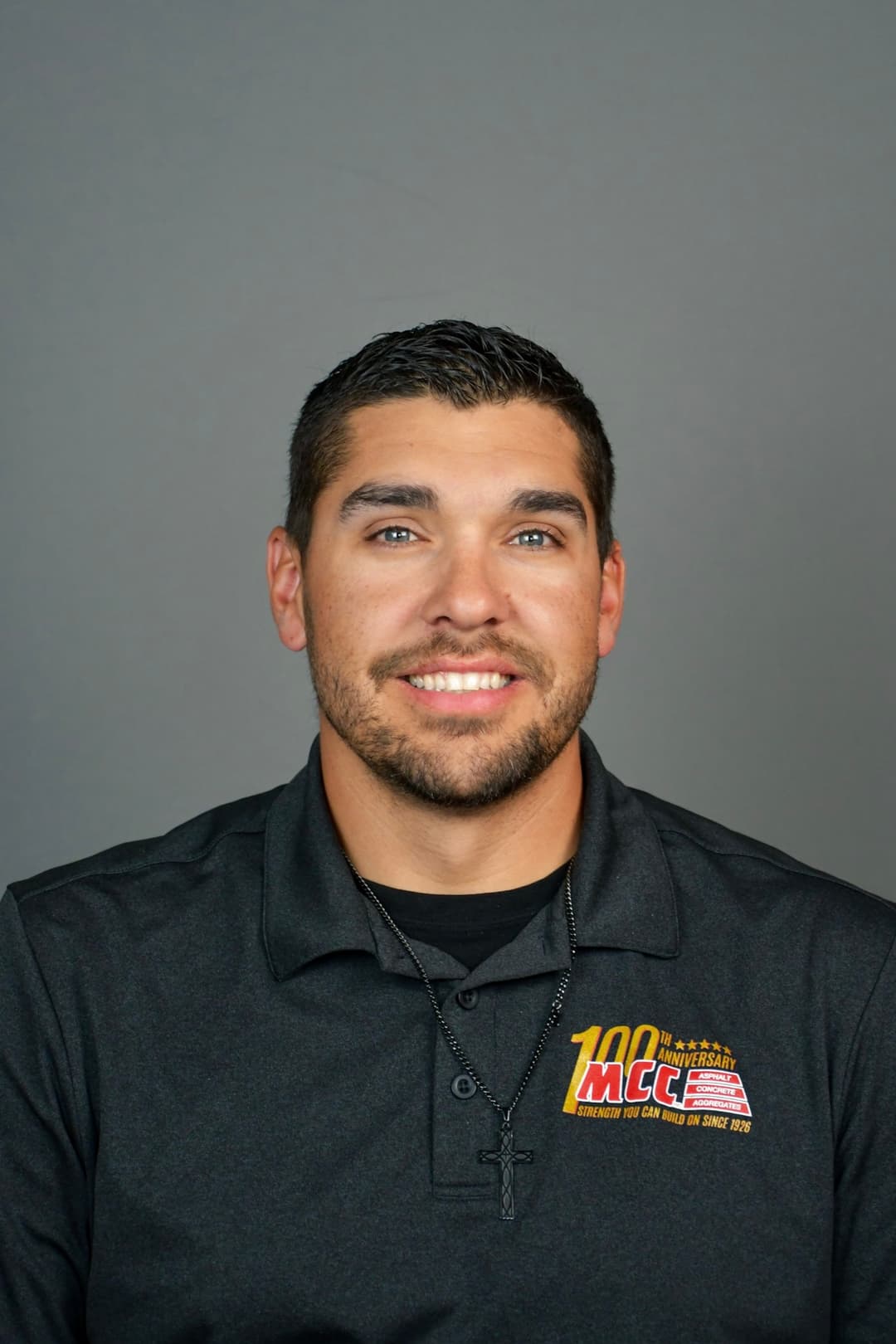
We sat down with Sam Woelfel, General Manager of Excavation, and Nichole Fassbender, Director of HR, to understand what has kept MCC, Inc. standing while so many others in construction have not.
FROM THE GROUND UP
“"When I think about MCC, Inc. today, I often wonder what my grandparents, Robert and Mary Murphy, would make of it all. What began with them selling gravel to neighbours from their farm has grown into something truly remarkable. That growth is a testament to the thousands of people who have given their time, talent, and dedication to this organization over the years, shaping not only our company, but our family and the community we are proud to serve." — JOE MURPHY”
Woelfel gets to the point quickly. MCC, Inc has been exceedingly successful promoting from within. Leaders that come up through the field thrive in their positions utilizing the tacit knowledge and real world experience they obtained through their time in the field.
"You can already foresee it coming because you lived it already," he says, describing the instinct that develops after years of working through problems on active job sites. "Because of that experience of being in the field, boots on the ground, you've already been through some of these experiences. It helps you problem solve with your employees way more efficiently."
Fassbender, for her part, points to three things when asked what carried MCC, Inc. to its centennial: leadership, company vision, and the people you keep.
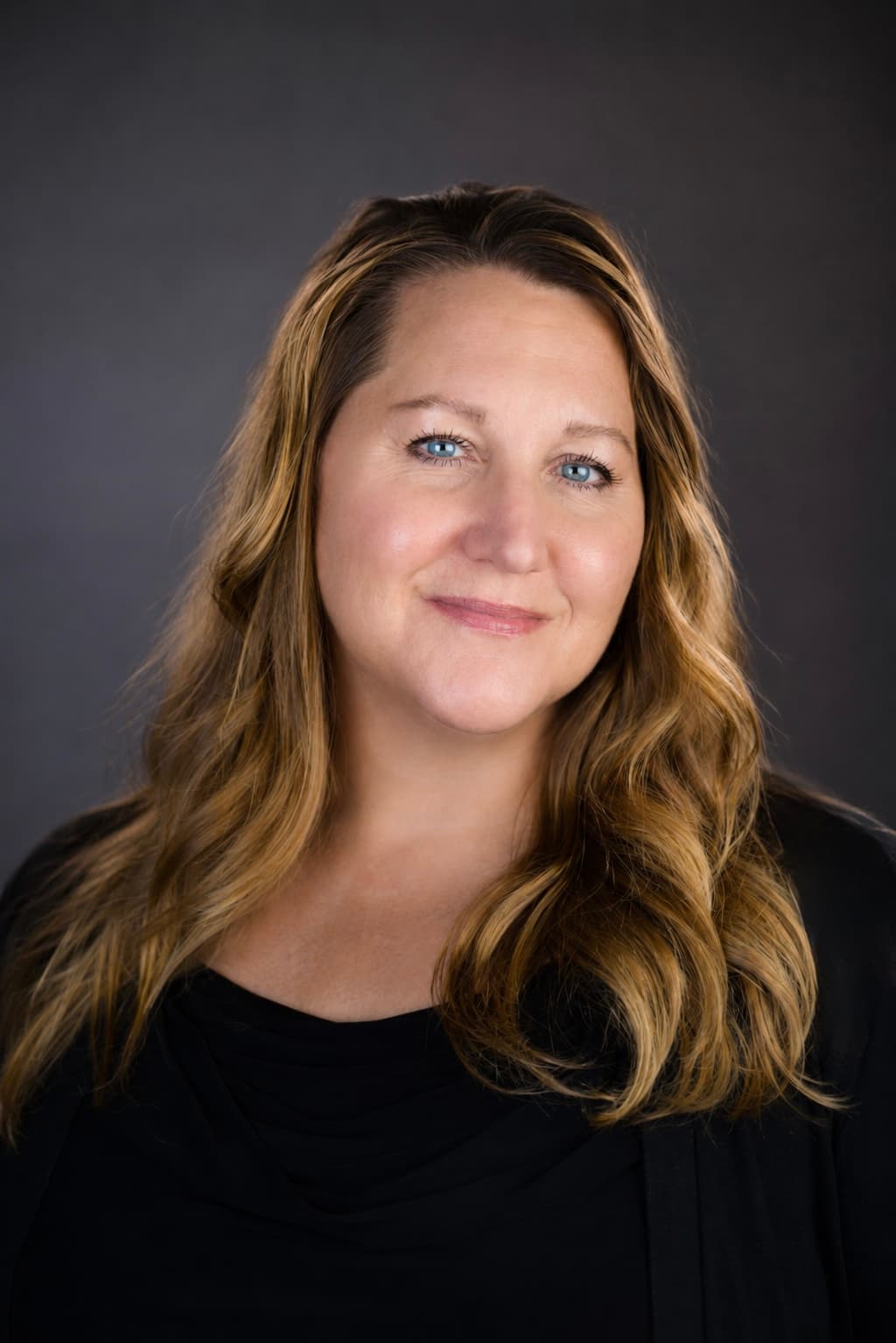
"Our leadership team partners with individuals with shared values, pride and integrity, we can teach our product, skills and policies to new team members".
A CULTURE THAT MEANS IT
The employee proposition at MCC, Inc. has always gone beyond wages. Competitive pay matters, as do benefits and work-life balance. Fassbender's emphasis on the fact that crews are home every night and the company does not require travel is pointed, in an industry where that is far from standard. But the deeper retention question is a cultural one.
"Our leadership team partners with individuals with shared values, pride and integrity, we can teach our product, skills and policies to new team members".
"Our team members are a part of the MCC, Inc. family. Every position and every contribution plays a crucial part in our success".
Safety operates by the same logic. MCC, Inc. has run under the motto "Safety, Quality, Services" since its founding in 1926, and Fassbender is clear that the ordering is not incidental. Internalizing a safety culture, rather than simply complying with one, requires a unified message running from the president of the company all the way down to foreman level. Without that, it becomes something organizations talk about rather than something they live.
"Is safety really the most important thing in your company? Or is it just something you talk about to make sure you cover all your bases?"
More for you
A PLACE PEOPLE DON'T LEAVE
On the question of developing the next generation, Woelfel thinks in field terms. He watches for how someone carries themselves on a job site, whether they walk with urgency, whether they ask questions, whether they lean in or hang back. Once he identifies the right quality, the method is deliberate: pile on responsibility, push the person toward the edge of what they can currently handle, and build them into the role before it officially exists.
"As a Leader you have to be intentional in building up your future leaders and equipping them with the tools to be successful when they get the opportunity to move into a leadership position."
Woelfel knows this firsthand. He joined MCC, Inc. at 19, starting as a laborer and haul truck operator before working his way into leadership across fifteen years with the company. The trajectory he followed is precisely the model MCC, Inc. has always preferred, developing talent from within rather than importing it from outside.
"Everybody always wants to look for the experienced, seasoned person they can bring in from somewhere else. MCC, Inc. focuses on developing talent from within.
It is Fassbender who offers the detail that perhaps best captures what that philosophy looks like over a lifetime. Asked about MCC's longest-serving employees, she mentions that seventeen people have been with the company for over forty years, then settles on one story in particular. A mechanic in the shop spent his entire working life at MCC, Inc., his only employer. By the time age made it difficult to get around, the company refabricated a golf cart so he could move between bays. He spent his final years repairing small engines and motors, unhurriedly, thoroughly. When jobs came back from his bench, Fassbender says, they were better than factory. This embodies MCC, Inc. culture and support for our team members."
"The company really does a phenomenal job investing in their people and making this a home," Woelfel says.
It is a quiet detail, but over a hundred years it accumulates into something. People do not work somewhere their entire lives, or for four decades, or through the age when most have long since retired, because the wages were competitive. They do it because the place became theirs.
That sense of ownership, of genuine belonging, is perhaps the hardest thing to manufacture in any organization, and the easiest thing to lose. Most companies that fail do not fail because of bad strategies or poor market conditions. They fail because the thread between leadership and the people doing the work quietly frays, and nobody notices until it snaps. What MCC, Inc. appears to have understood across four generations of the Murphy family is that the thread needs tending constantly, at every level, in every decision about how a person is treated on a given Tuesday morning. As fourth-generation family member Neal Rabideau has put it, while the industry and its people have evolved considerably, the spirit his great-grandparents established has remained intact. That is not a small thing. That is, in fact, the whole thing.
One hundred years of that is not an accident.
"Commitment to Safety and Quality, Service to Community, and the Future of our Environment"